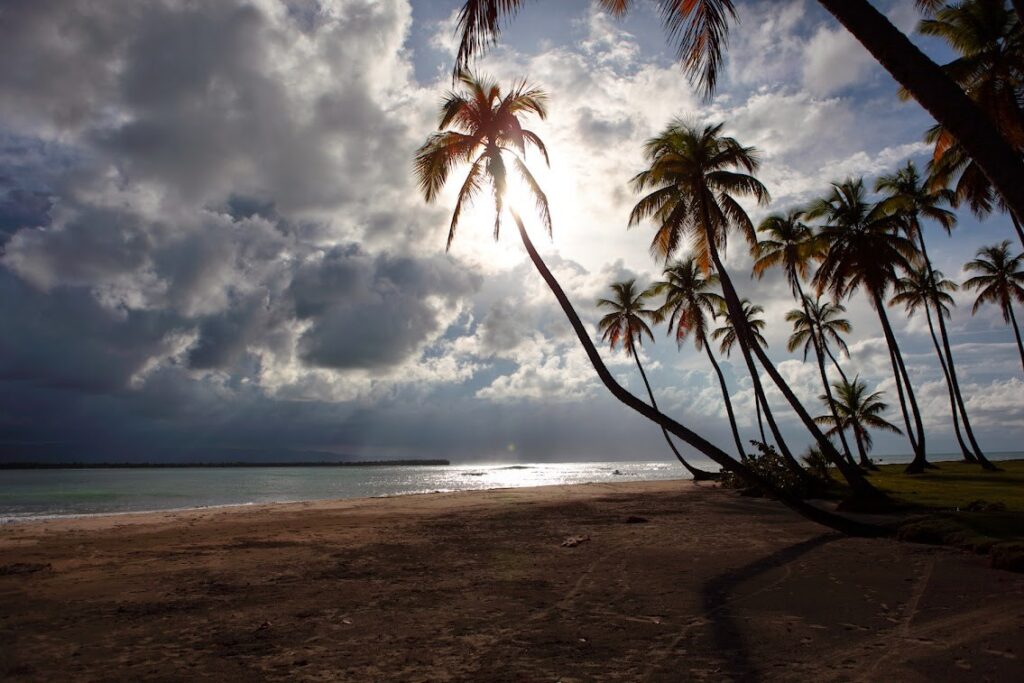
Hurricane Fiona in Miches: Final Report
As we approach the third week since Hurricane Fiona, I’m reviewing the progress in #Miches to keep you updated on the work being done, not only by myself but also by my colleagues. These are passionate professionals committed to the future of Miches and the development of our country.
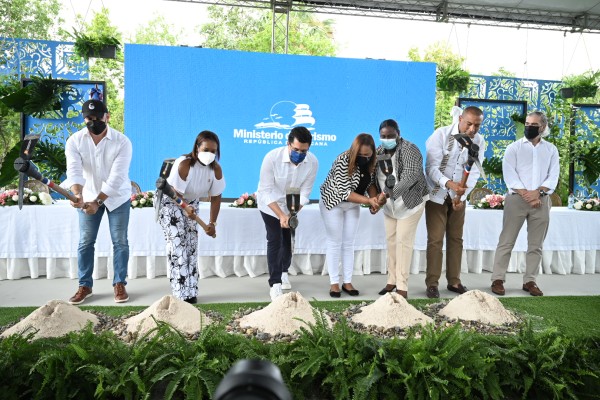
It is important to remember that Miches is part of the province of El Seibo, which is among the top 5 poorest provinces in the country. This reality is definitely and evidently beginning to change thanks to the tourism development that has been intensively promoted by public and private investment in the last 10 years. However, this has had a slow social impact for the last 6 or 7 years, as the social debt of Miches, and the social, political and economic dilemmas that have resulted from the historical neglect it suffered until the arrival of this tourism investment, are nothing short of profound and complex.
Returning to the topic, I must say that the recovery process from the impacts of Fiona has been much more organized, and I have no qualms in stating that the role of the private sector and NGOs has been crucial in this. And not so much their role as co-funders of the solutions (which they are), but rather as “companions,” as guides for local governments to complement their actions and provide that much-needed technical support, which is lacking in rural areas like Miches. The presence and role of the El Seibo Resilient project, coordinated by my admired friend Laura Guzmán in Miches; the leadership of institutions like the Tropicalia Foundation, with more than 13 years in the area; and others like The Nature Conservancy (TNC) and its important contribution to structuring the Miches Red Cross, have been decisive in providing support before, during, and after the hurricane, and it has been evident.
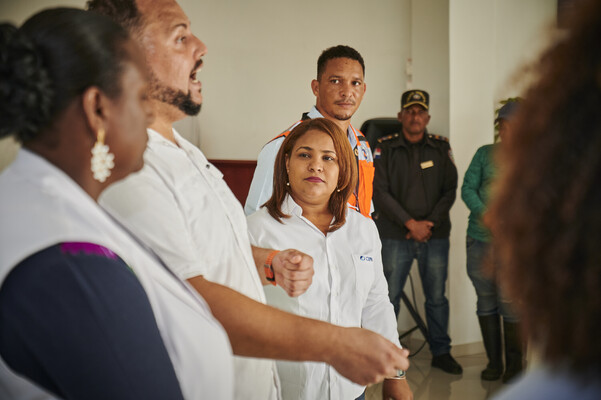
It’s not just the presence of these institutions, but also constant communication and trust in each other’s leadership, without egos or self-promotion, that makes the difference in the results, and that difference allows everyone to shine. An example of this type of collaboration was the joint donation of tools and food to local governments throughout the municipality of Miches, made by the El Seibo-Miches Hotel and Tourism Association (#Promiches), the Punta Cana Macao Energy Consortium (CEPM), and Club Med Miches Playa Esmeralda. This was part of an effort to strengthen the municipality’s Prevention, Mitigation, and Response Committees and their capacity to respond efficiently to events like Hurricane Fiona, as well as to recognize the individual work of the volunteers who left their flooded homes and families to care for the homes and lives of others.
Despite these successes and opportunities, we also have lessons learned and tasks yet to be completed. The politicization of work agendas and aid can be a significant obstacle, particularly affecting communication and the much-needed collaboration among the various stakeholders in the destination during an emergency situation like the one we are facing.
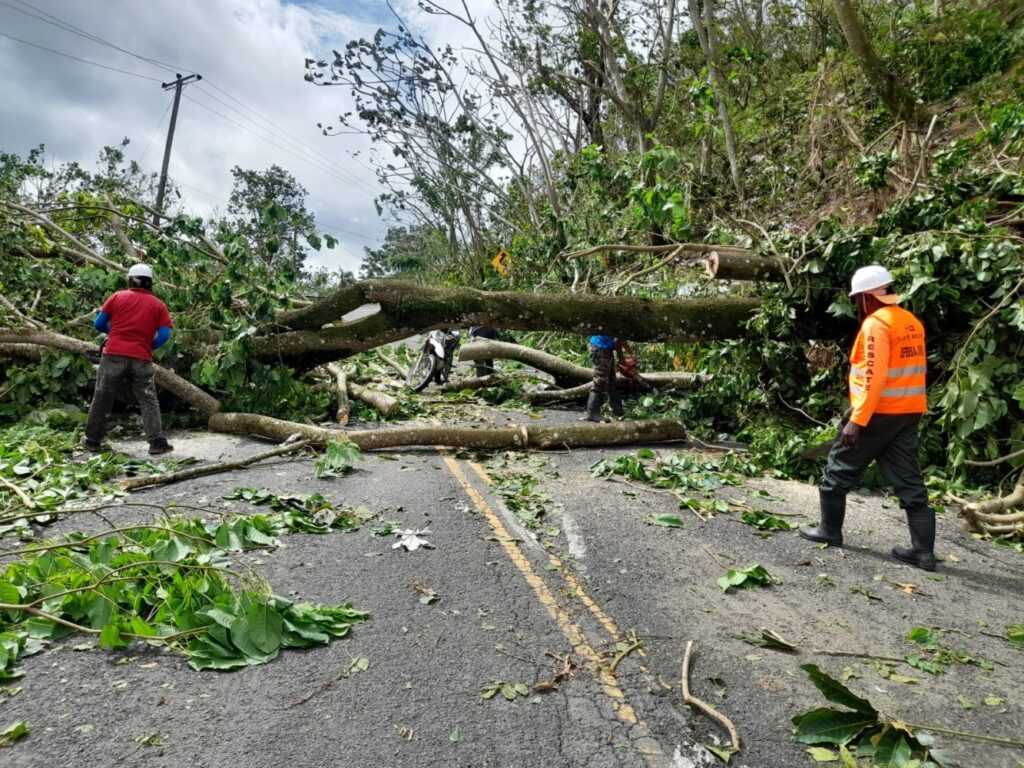
The need to structure an efficient, rapid, and unified mechanism for gathering municipal information is paramount, one that will inform the decision-making of institutions working on recovery efforts in the immediate aftermath of a disaster. Without electricity, without communications, with blocked roads, and without clear leadership, it becomes impossible to conduct a damage assessment that allows for informed decision-making and resource allocation. This is a task that cannot wait for the next natural disaster and must be approached from a municipal perspective.
And finally, I think, a clear definition of the roles of provincial and municipal governments is essential to avoid unnecessary contradictions that lead to wasted time and friction. National plans should be informed by provincial plans, and these, in turn, by municipal plans. This is the ideal scenario. Chaos arises when it’s unclear what to expect and the central government seems to have a mixed, undefined approach, applying it on a case-by-case basis, generating confusion that can lead to disorganization and improvisation.