Mass layoffs: In the last three months, 9,000 people lost their jobs in Verón-Punta Cana
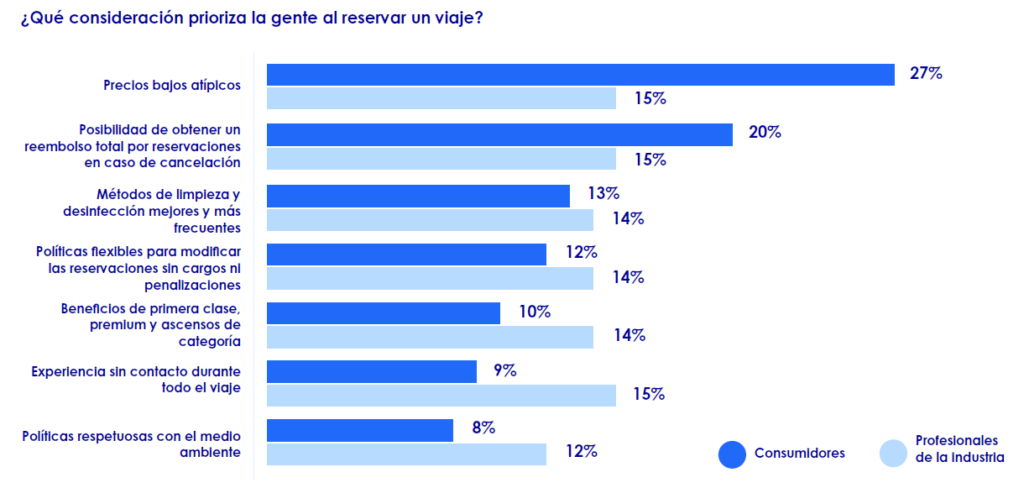
Booking.com and Expedia Group have already published their 2023 reports on travelers’ priorities when evaluating their travel options. The trend is clear, but it surprises few.
Corporate social responsibility has transitioned from the Renaissance and the prominent role of patrons in the 15th century, through the Industrial Revolution and the great philanthropists who contributed to the construction of great universities, libraries, and hospitals that endure to this day.
With the increasingly clear evidence of the impact of businesses on climate change, people are starting to talk about environmental sustainability. Slowly. Often with trepidation. In a kind of dance between what companies voluntarily assume (or pretend to assume), and what governments impose through laws and regulations, sometimes more effectively than others.
Companies fear, almost always with good reason, the impact that sustainability initiatives can have on their businesses, since ultimately it is their investments that bear the risk of this kind of laboratory, which aims to analyze the viability of new ideas through trial and error, without taking into account the legal, marketing, and financial considerations that are also part of the process. The natural response is to exclude themselves when the opposite should be true: to participate and lead.
Many companies found a shortcut in greenwashing; however, the democratization of information through social media and the internet has had a harmful effect on brands, which have been slow to realize that this practice not only fails to produce the desired effect but also discredits them in the eyes of their audiences, at least those who care about the issue, which, as reports from Booking.com and Expedia Group show, are increasingly numerous.
In 2009, while pursuing my master's degree in tourism at the University of Alcalá, I encountered a fascinating subject: Social Market Economy. It was the first time I had analyzed sustainability as an integral part of the business, not just the market. At a micro level, it's somewhat similar to Michael Porter and Mark Kramer's concept of Shared Value. And I believe there's a lot of this in the current understanding of sustainability. I think sustainability should be understood as a business strategy for managing environmental and social risks. It's also a tool that enhances a company's ability to manage relationships with its high-value strategic stakeholders, and therefore has the potential to add value to the brand.